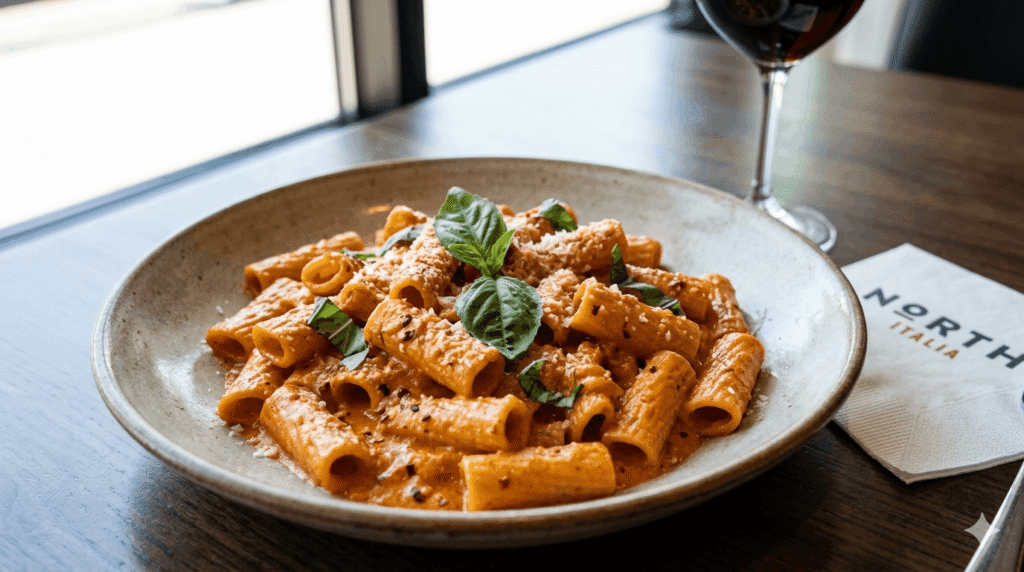
At Capri Restaurant, we know that the best pasta nights aren’t always the ones that happen at a restaurant table — sometimes they’re the ones that happen in your own kitchen, apron on, glass of wine poured, and something genuinely spectacular simmering in the skillet. This North Italia Chicken Pesto Pasta is exactly that kind of dish: restaurant-quality flavor assembled from pantry staples in under 35 minutes. Creole-seasoned golden chicken, velvety parmesan cream sauce, fragrant basil pesto, and perfectly al dente rigatoni come together in one skillet to create something that feels indulgent, impressive, and completely achievable on a Tuesday night.
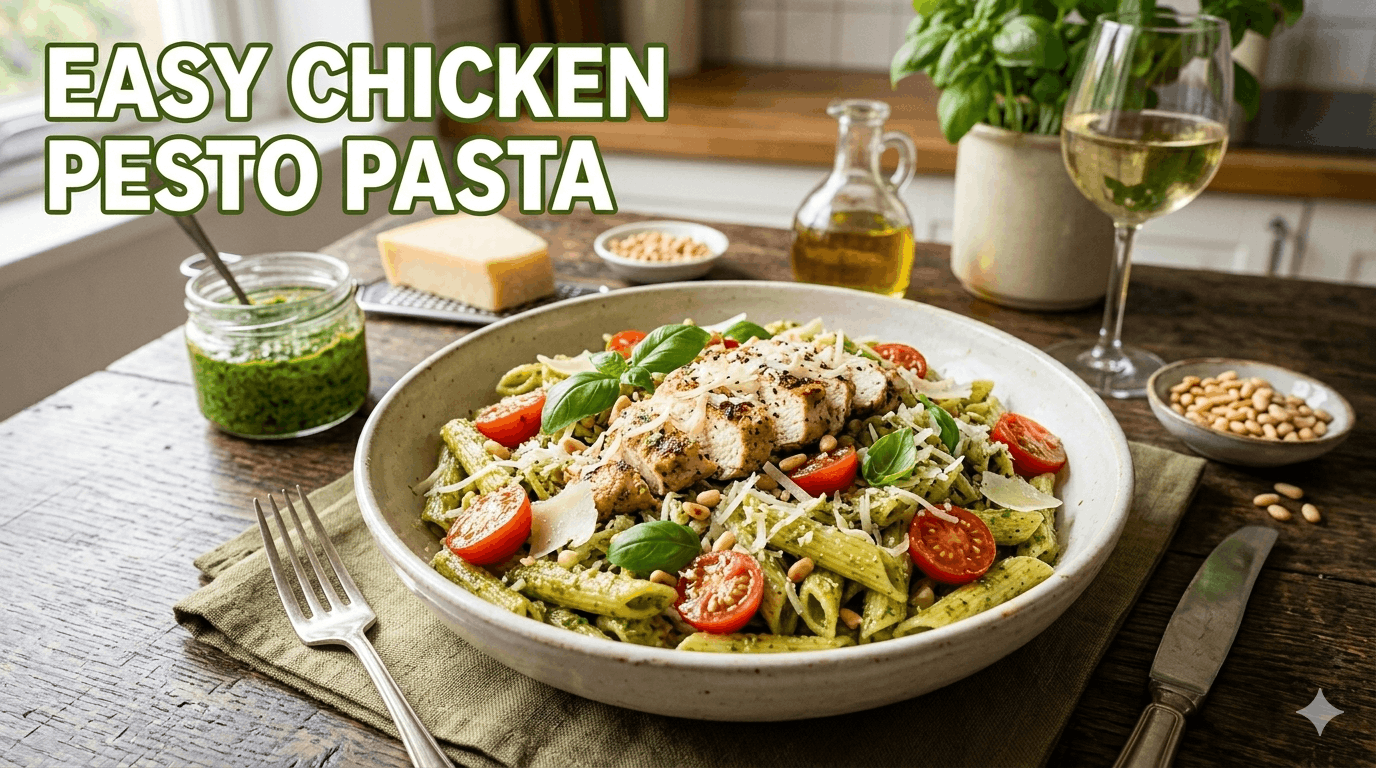

North Italia Chicken Pesto Pasta Recipe
Ingredients
Equipment
Method
- Step 1 — Boil and cook the pasta to al denteFill your large pot with water, bring it to a full rolling boil over high heat, and add the kosher salt generously — the water should taste mildly of the sea. Add the rigatoni and cook according to package directions, but start checking for doneness about 2 minutes before the minimum time listed; you want the pasta firmly al dente, with just a slight resistance when you bite through it, because it will continue cooking briefly when added to the hot sauce. Before draining, scoop out at least 1 full cup of the cloudy, starchy pasta water and set it aside in a small bowl — this is liquid gold for adjusting the sauce later. Drain the pasta in a colander but do not rinse it; rinsing strips away the surface starch that helps the cream sauce cling to every ridge and tube.
- Step 2 — Prepare and season the chickenPlace your chicken breasts on a cutting board and slice each one in half lengthwise to create thinner, flatter pieces, then cut those into roughly 1-inch bite-sized chunks. Cutting the pieces uniformly is important — uneven sizes mean some pieces overcook while others are still underdone, which is the most common mistake in this recipe. In a small bowl, combine the Creole seasoning, Italian seasoning, paprika, and black pepper and stir to blend. Sprinkle approximately half of this spice mix over the chicken pieces and toss to coat, pressing the seasoning in lightly; reserve the remaining half of the blend for seasoning the sauce.
- Step 3 — Sear the chicken to goldenHeat the olive oil in your large skillet over medium-high heat until it shimmers — this takes about 90 seconds and is the sign the pan is ready. Add the seasoned chicken pieces in a single layer, resisting the urge to move them immediately; let them sit undisturbed for 5–6 minutes to build a proper golden-brown crust on the first side. That crust is not just visual — it's a layer of Maillard-browned flavor that carries through into the final dish. Flip each piece and cook for another 4–5 minutes until the chicken is cooked through (internal temperature of 165°F). Remove the chicken from the skillet and set aside on a plate, leaving all those golden drippings and browned bits in the pan — that's flavor you're about to build the sauce on.
- Step 4 — Bloom the garlic in the fondReduce the heat to medium and add the minced garlic directly into the same skillet, stirring it through the chicken drippings. Cook for 30–45 seconds, stirring constantly, just until the garlic turns fragrant and very lightly golden — this happens fast, and burnt garlic will make the entire sauce taste bitter and acrid. You're not looking for brown here; you want the garlic to soften and release its flavor into the fat without darkening. The moment you smell that warm, nutty garlic aroma blooming up from the pan, you're ready for the cream.
- Step 5 — Build and thicken the cream saucePour in the heavy cream in a slow, steady stream while stirring, scraping up all the browned bits from the bottom of the pan — those bits dissolve into the sauce and add enormous depth of flavor. Let the cream come to a gentle simmer over medium heat and cook for 2–3 minutes, stirring occasionally, until it begins to reduce slightly and coat the back of a spoon. Now sprinkle in the reserved spice blend and stir to combine. Add the freshly grated parmesan in three small batches, stirring thoroughly between each addition to allow it to melt smoothly into the cream — adding it all at once risks clumping. By the time all the cheese is incorporated, your sauce should be thick, glossy, and a beautiful pale gold.
- Step 6 — Stir in the pesto — gently and at the endRemove the skillet from the heat or reduce it to the lowest possible setting, then add the basil pesto and stir it through the cream sauce until fully combined and the sauce turns a rich, vibrant green. This step must happen off direct high heat — boiling pesto destroys its color, turning it an unappealing dark khaki, and cooking it hard makes the basil taste bitter rather than bright and fresh. Taste the sauce now and adjust with salt and pepper; remember that the parmesan and Creole seasoning have already contributed significant saltiness, so add cautiously.
- Step 7 — Toss the pasta and chicken into the sauceReturn most of the cooked chicken to the skillet, reserving a few of the best-looking golden pieces for the top of each plate. Add the drained rigatoni directly into the sauce and toss everything together with your wooden spoon, lifting and folding to ensure every piece of pasta is coated in the creamy pesto sauce and the chicken is distributed evenly. If the sauce feels too thick and the pasta is clumping, add the reserved pasta water a few tablespoons at a time, stirring after each addition, until the sauce reaches a loose, silky consistency that flows easily around the pasta. Let everything simmer together on low heat for 2–3 minutes, allowing the pasta to absorb the sauce slightly and the flavors to fully meld.
- Step 8 — Plate, garnish, and serve immediately. Divide the pasta between four warm bowls or plates, swirling it slightly for height and visual appeal. Top each portion with the reserved golden chicken pieces, a scatter of freshly torn basil leaves, a generous grating of additional parmesan, and an optional drizzle of extra-virgin olive oil for a beautiful finish. Bring red pepper flakes to the table for those who like heat. This dish is best served the moment it's ready — the cream sauce tightens as it cools, and the pesto's bright color is most vivid in the first few minutes after plating.
Video
Notes
- Never add pesto to high heat: The most important technique rule in this recipe. Basil pesto added to a boiling sauce turns dark, loses its vivid green color, and develops a harsh, bitter flavor. Always stir pesto in off the heat or on the lowest setting — it only needs to warm through, not cook.
- Grate your parmesan fresh: Pre-grated parmesan from a bag contains cellulose or potato starch as an anti-caking agent, which prevents it from melting cleanly into cream. The result is a grainy, slightly broken sauce instead of the glossy, smooth finish you’re after. A Microplane or the fine side of a box grater takes about 90 seconds — it’s worth it every time.
- Save the pasta water — always: The starchy pasta water is a professional kitchen essential for cream sauces. Its dissolved starch helps emulsify the sauce, prevents it from splitting, and lets you adjust the consistency without diluting the flavor the way plain water would. Collect it before you drain, because once it’s gone, it’s gone.
- How to know the chicken is done: Use a meat thermometer — 165°F is the target internal temperature. Visually, the chicken should be white all the way through with no pink at the center, and the exterior should be a deep golden amber. If it looks pale and gray, the pan wasn’t hot enough; if the exterior is very dark before the inside is cooked, the heat is too high and the pieces are too large.
- Common mistake — overcrowding the pan when searing: If you add all the chicken at once to a pan that’s too small, the temperature drops and the chicken steams instead of sears. Work in two batches if needed, or use a 12-inch or larger skillet. The golden crust on the chicken is not optional — it’s a significant flavor component of the finished dish.
- Flavor variations:
- Sun-Dried Tomato Pesto Pasta: Add ¼ cup chopped sun-dried tomatoes (in oil) to the sauce along with the pesto; the sweet-acid tang of the tomatoes is a stunning counterpoint to the cream.
- Spinach & Artichoke Pesto Pasta: Stir in 2 large handfuls of fresh baby spinach and ½ cup chopped marinated artichoke hearts with the pasta; they wilt beautifully into the sauce.
- Shrimp Pesto Pasta: Replace the chicken with 1 lb of large peeled shrimp, seasoned and sautéed for just 2 minutes per side; this is a popular North Italia-style variation and cooks even faster.
- Tomato Cream Pesto: Add ½ cup good-quality canned crushed tomatoes to the cream sauce before the parmesan for a blush-style sauce with extra acidity and sweetness.
- Extra-Creamy Version: Increase the heavy cream to 2 full cups and add an extra ½ cup parmesan for an ultra-luxurious, thicker sauce — exceptional for special occasions.
- Make-ahead tips: The chicken can be seasoned, seared, and refrigerated up to 24 hours in advance, making the day-of assembly even faster. The sauce can be made ahead and refrigerated for up to 2 days — reheat gently over low heat, add a splash of cream to bring it back to consistency, then stir in the pesto fresh just before serving.
- Storage: Store leftovers in an airtight container in the refrigerator for up to 3 days. The sauce will thicken considerably when cold — this is normal and doesn’t mean it’s spoiled.
- Reheating instructions: For best results, reheat in a skillet over low heat with 2–3 tablespoons of heavy cream or whole milk per serving, stirring gently until the sauce loosens and the pasta is warmed through. Microwave reheating works in a pinch — add a splash of liquid, cover loosely, and heat in 30-second intervals, stirring between each, to prevent the sauce from breaking or the pasta from drying out.
- Freezing: Not recommended. Cream-based sauces tend to separate and become grainy upon thawing, and pasta becomes mushy. This dish is best made fresh or refrigerated for short-term storage.
- Dietary adaptations:
- Gluten-free: Use your favorite gluten-free pasta (brown rice penne or chickpea rigatoni both hold up well) and confirm your pesto brand is GF-certified.
- Dairy-free: Use full-fat coconut cream in place of heavy cream, nutritional yeast instead of parmesan, and a store-bought dairy-free pesto — the sauce will differ in flavor but remains rich and satisfying.
- Lower-calorie: Use half-and-half instead of heavy cream and reduce the parmesan to 1 cup; add extra pasta water to maintain sauce consistency.
- Nut-free: Choose a nut-free pesto (made with sunflower seeds) and check your parmesan label; all other components are naturally nut-free.
- Serving suggestions: Serve alongside warm garlic focaccia or crusty ciabatta for sauce-mopping — this sauce is too good to leave on the plate. A simple arugula salad dressed with lemon juice and olive oil cuts through the richness beautifully. For wine, a crisp Pinot Grigio or unoaked Chardonnay complements the cream and basil without competing.
- Scaling note: This recipe scales easily. For 2 servings, halve all quantities exactly and use an 8–10-inch skillet. For 6–8 servings, double the recipe but cook the chicken in two batches to maintain the sear. The sauce can handle scaling without technique changes — just keep the ratio of cream to parmesan consistent (1 cup cream to 1 cup parmesan) and taste as you go.
About the Recipe
North Italia is a nationally recognized modern Italian-American restaurant chain founded in 2012 and headquartered in Denver, Colorado, with locations across the United States from Arizona to Texas to Florida. Known for handmade pasta, wood-fired dishes, and a sophisticated-but-approachable atmosphere, North Italia draws devoted fans who return for specific dishes on its menu — and chief among them is the Trottole Pesto Pasta, a dish so beloved it regularly trends on TikTok and Instagram, with guests filming their plates and commenters flooding the thread with “I need the recipe.”
This is that recipe — a copycat inspired by North Italia’s signature pesto pasta, adapted for the home kitchen by Capri Restaurant. The key to its character is a three-layer flavor build: Creole-spiced chicken with a golden sear, a parmesan cream sauce that provides a rich, neutral backdrop, and bright, herbaceous basil pesto stirred in at the very end so it stays vivid green and never turns bitter. The pasta — rigatoni or penne, ideally — captures the sauce in every ridge and tube. It’s the kind of dish that makes people ask, “Did you really make this at home?”
The History of Pesto Pasta
Pesto alla Genovese — the mother sauce at the heart of this dish — originates in the coastal region of Liguria in northwestern Italy, specifically the city of Genoa. The word pesto comes from the Italian pestare, meaning “to pound” or “to crush,” a reference to the traditional mortar-and-pestle method of grinding fresh basil, garlic, pine nuts (pinoli), Parmigiano-Reggiano, Pecorino Romano, and extra-virgin olive oil into a vivid, aromatic paste.
The sauce has been documented in the Ligurian culinary tradition since at least the 19th century, though its roots likely stretch back centuries further to older herb-based sauces used throughout Mediterranean cooking. Traditional Genovese pesto is served with trenette or trofie pasta, often alongside boiled potatoes and green beans — a combination that surprises many Americans but is entirely authentic.
Pesto’s introduction to American kitchens exploded in the 1980s and 1990s as Italian-American cuisine evolved beyond red sauces and pizza. Jarred pesto became a supermarket staple, and creative American chefs began using it as a base for cream sauces, marinades, and sandwiches. The move from simple pesto pasta to creamy pesto pasta — enriched with heavy cream and parmesan — is an Italian-American innovation that has become one of the most popular pasta styles in contemporary restaurant dining, perfected by places like North Italia into the glossy, restaurant-quality dish that Capri Restaurant is proud to recreate here.
Where Is This Dish Most Popular?
The North Italia Chicken Pesto Pasta is a standout menu item across all North Italia locations, which are concentrated in states including Arizona, Colorado, California, Texas, Florida, Illinois, and Nevada. The restaurant’s Trottole Pesto dish has become one of the most-shared and most-discussed pasta dishes on social media, regularly appearing in “best pasta in [city]” roundups and restaurant reviews.
More broadly, creamy pesto chicken pasta as a dish category is one of the fastest-growing pasta searches on Google and TikTok, with home cooks across the United States, Australia, the United Kingdom, and Canada seeking to recreate the restaurant experience at home. At Capri Restaurant, we’ve embraced this dish as a staple for good reason — it delivers luxury-level flavor with weeknight ease.
Why You’ll Love This Dish — Key Benefits
- 30-minute weeknight dinner: From cold pan to plated pasta in under 35 minutes — no special skills required.
- One-skillet sauce: The chicken, sauce, and pasta all come together in the same pan, meaning maximum flavor and minimum cleanup.
- Crowd-pleasing flavor profile: The combination of creamy, herby, savory, and slightly spiced hits every note that makes people go back for seconds.
- Highly customizable: Swap the protein, pasta shape, or pesto style without losing the soul of the dish — see variations in Notes.
- High protein: With chicken breast and parmesan, each serving delivers a solid ~36 grams of protein — genuinely satisfying, not just pretty.
- Great for meal prep: Leftovers reheat beautifully with a splash of cream, making it an ideal make-ahead lunch or dinner for the next day.
Nutrition Overview (Per 1 Serving, based on 4 servings)
| Nutrient | Approx. Amount |
|---|---|
| Calories | ~540 kcal |
| Carbohydrates | ~36 g |
| Sugar | ~2 g |
| Protein | ~36 g |
| Total Fat | ~29 g |
| Saturated Fat | ~11 g |
| Fibre | ~3 g |
| Sodium | ~580 mg |
| Cholesterol | ~110 mg |
Values are approximate and vary based on pesto brand, pasta quantity, parmesan used, and portion size.
Who Should Be Mindful of This Dish?
- Those managing lactose intolerance: Heavy cream and Parmesan are central to the sauce — see dairy-free adaptations in Notes for substitutions.
- People with tree nut allergies: Most commercial pesto contains pine nuts; always read the label, or make homemade pesto with sunflower seeds as a nut-free alternative.
- Those watching sodium intake: Creole seasoning, parmesan, and salted pasta water all contribute significant sodium — use low-sodium alternatives where possible.
- Individuals monitoring saturated fat: The heavy cream and cheese contribute ~11g saturated fat per serving — swap to half-and-half for a lighter version.
- Gluten-sensitive or celiac diners: The recipe uses standard wheat pasta — see Notes for a gluten-free pasta substitution that works well.
- Those sensitive to spice: Creole seasoning contains cayenne — reduce the amount or substitute with mild Italian seasoning only for a gentler heat profile.
Frequently Asked Questions (FAQs)
North Italia uses trottole — a short, spiral-twisted pasta shape; rigatoni or penne are excellent home substitutes.
Absolutely — a good-quality store-bought basil pesto works great; Costco’s Kirkland brand is a fan favorite for this recipe.
It gives the chicken a warm, complex spice layer that contrasts beautifully with the cool herbaceousness of the pesto — it’s the North Italia touch that sets this apart.
Yes — boneless, skinless chicken thighs stay juicier and are more forgiving if slightly overcooked.
Rinsing washes off the surface starch that helps sauce cling to the pasta — always drain without rinsing for a creamier result.
Cream sauces break when overheated or when cold ingredients are added too fast — keep the heat at medium and add Parmesan gradually while stirring constantly.
Yes — cherry tomatoes, baby spinach, roasted zucchini, or sun-dried tomatoes all pair beautifully and are common additions.
Add pesto at the very end, off the heat or on very low heat — never boil pesto directly.
Best made fresh; prep the chicken and measure ingredients ahead, but assemble and sauce just before serving for the best texture.
Mildly — the Creole seasoning provides a gentle warmth, not a fiery heat; reduce or omit for a completely mild version.
Yes — shred or dice rotisserie chicken, toss it with the seasoning blend, and warm it through in the sauce during the final step.
Up to 3 days in an airtight container in the refrigerator; reheat gently with a splash of cream or milk.