
Ingredients
Equipment
Method
Phase 1 — Cook the Pasta
- Step 1 — Boil and cook the pasta to al denteFill your large pot with water, bring it to a full rolling boil over high heat, and add the kosher salt generously — the water should taste mildly of the sea. Add the rigatoni and cook according to package directions, but start checking for doneness about 2 minutes before the minimum time listed; you want the pasta firmly al dente, with just a slight resistance when you bite through it, because it will continue cooking briefly when added to the hot sauce. Before draining, scoop out at least 1 full cup of the cloudy, starchy pasta water and set it aside in a small bowl — this is liquid gold for adjusting the sauce later. Drain the pasta in a colander but do not rinse it; rinsing strips away the surface starch that helps the cream sauce cling to every ridge and tube.
Phase 2 — Season and Sear the Chicken
- Step 2 — Prepare and season the chickenPlace your chicken breasts on a cutting board and slice each one in half lengthwise to create thinner, flatter pieces, then cut those into roughly 1-inch bite-sized chunks. Cutting the pieces uniformly is important — uneven sizes mean some pieces overcook while others are still underdone, which is the most common mistake in this recipe. In a small bowl, combine the Creole seasoning, Italian seasoning, paprika, and black pepper and stir to blend. Sprinkle approximately half of this spice mix over the chicken pieces and toss to coat, pressing the seasoning in lightly; reserve the remaining half of the blend for seasoning the sauce.
- Step 3 — Sear the chicken to goldenHeat the olive oil in your large skillet over medium-high heat until it shimmers — this takes about 90 seconds and is the sign the pan is ready. Add the seasoned chicken pieces in a single layer, resisting the urge to move them immediately; let them sit undisturbed for 5–6 minutes to build a proper golden-brown crust on the first side. That crust is not just visual — it's a layer of Maillard-browned flavor that carries through into the final dish. Flip each piece and cook for another 4–5 minutes until the chicken is cooked through (internal temperature of 165°F). Remove the chicken from the skillet and set aside on a plate, leaving all those golden drippings and browned bits in the pan — that's flavor you're about to build the sauce on.
Phase 3 — Build the Creamy Pesto Sauce
- Step 4 — Bloom the garlic in the fondReduce the heat to medium and add the minced garlic directly into the same skillet, stirring it through the chicken drippings. Cook for 30–45 seconds, stirring constantly, just until the garlic turns fragrant and very lightly golden — this happens fast, and burnt garlic will make the entire sauce taste bitter and acrid. You're not looking for brown here; you want the garlic to soften and release its flavor into the fat without darkening. The moment you smell that warm, nutty garlic aroma blooming up from the pan, you're ready for the cream.
- Step 5 — Build and thicken the cream saucePour in the heavy cream in a slow, steady stream while stirring, scraping up all the browned bits from the bottom of the pan — those bits dissolve into the sauce and add enormous depth of flavor. Let the cream come to a gentle simmer over medium heat and cook for 2–3 minutes, stirring occasionally, until it begins to reduce slightly and coat the back of a spoon. Now sprinkle in the reserved spice blend and stir to combine. Add the freshly grated parmesan in three small batches, stirring thoroughly between each addition to allow it to melt smoothly into the cream — adding it all at once risks clumping. By the time all the cheese is incorporated, your sauce should be thick, glossy, and a beautiful pale gold.
- Step 6 — Stir in the pesto — gently and at the endRemove the skillet from the heat or reduce it to the lowest possible setting, then add the basil pesto and stir it through the cream sauce until fully combined and the sauce turns a rich, vibrant green. This step must happen off direct high heat — boiling pesto destroys its color, turning it an unappealing dark khaki, and cooking it hard makes the basil taste bitter rather than bright and fresh. Taste the sauce now and adjust with salt and pepper; remember that the parmesan and Creole seasoning have already contributed significant saltiness, so add cautiously.
Phase 4 — Combine and Serve
- Step 7 — Toss the pasta and chicken into the sauceReturn most of the cooked chicken to the skillet, reserving a few of the best-looking golden pieces for the top of each plate. Add the drained rigatoni directly into the sauce and toss everything together with your wooden spoon, lifting and folding to ensure every piece of pasta is coated in the creamy pesto sauce and the chicken is distributed evenly. If the sauce feels too thick and the pasta is clumping, add the reserved pasta water a few tablespoons at a time, stirring after each addition, until the sauce reaches a loose, silky consistency that flows easily around the pasta. Let everything simmer together on low heat for 2–3 minutes, allowing the pasta to absorb the sauce slightly and the flavors to fully meld.
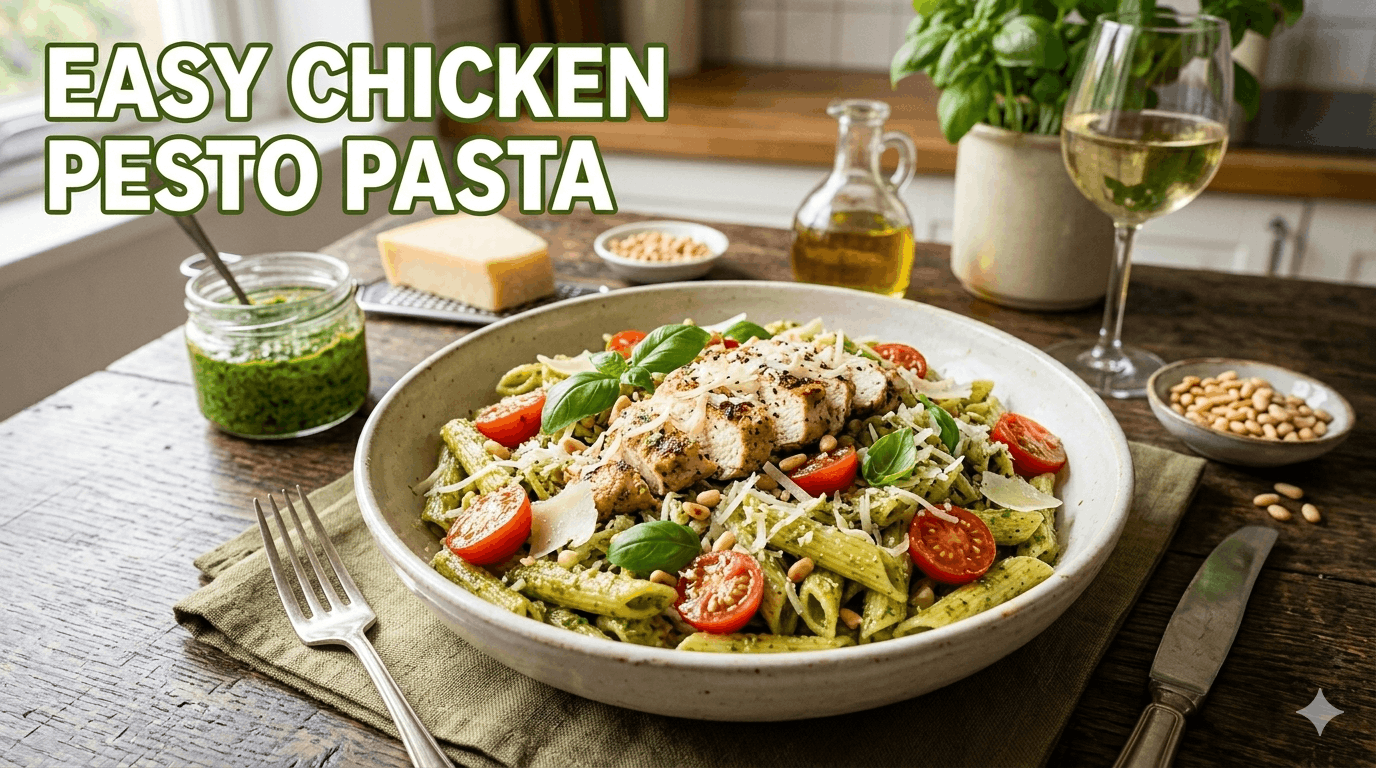
- Step 8 — Plate, garnish, and serve immediately. Divide the pasta between four warm bowls or plates, swirling it slightly for height and visual appeal. Top each portion with the reserved golden chicken pieces, a scatter of freshly torn basil leaves, a generous grating of additional parmesan, and an optional drizzle of extra-virgin olive oil for a beautiful finish. Bring red pepper flakes to the table for those who like heat. This dish is best served the moment it's ready — the cream sauce tightens as it cools, and the pesto's bright color is most vivid in the first few minutes after plating.
Video
Notes
- Never add pesto to high heat: The most important technique rule in this recipe. Basil pesto added to a boiling sauce turns dark, loses its vivid green color, and develops a harsh, bitter flavor. Always stir pesto in off the heat or on the lowest setting — it only needs to warm through, not cook.
- Grate your parmesan fresh: Pre-grated parmesan from a bag contains cellulose or potato starch as an anti-caking agent, which prevents it from melting cleanly into cream. The result is a grainy, slightly broken sauce instead of the glossy, smooth finish you're after. A Microplane or the fine side of a box grater takes about 90 seconds — it's worth it every time.
- Save the pasta water — always: The starchy pasta water is a professional kitchen essential for cream sauces. Its dissolved starch helps emulsify the sauce, prevents it from splitting, and lets you adjust the consistency without diluting the flavor the way plain water would. Collect it before you drain, because once it's gone, it's gone.
- How to know the chicken is done: Use a meat thermometer — 165°F is the target internal temperature. Visually, the chicken should be white all the way through with no pink at the center, and the exterior should be a deep golden amber. If it looks pale and gray, the pan wasn't hot enough; if the exterior is very dark before the inside is cooked, the heat is too high and the pieces are too large.
- Common mistake — overcrowding the pan when searing: If you add all the chicken at once to a pan that's too small, the temperature drops and the chicken steams instead of sears. Work in two batches if needed, or use a 12-inch or larger skillet. The golden crust on the chicken is not optional — it's a significant flavor component of the finished dish.
- Flavor variations:
- Sun-Dried Tomato Pesto Pasta: Add ¼ cup chopped sun-dried tomatoes (in oil) to the sauce along with the pesto; the sweet-acid tang of the tomatoes is a stunning counterpoint to the cream.
- Spinach & Artichoke Pesto Pasta: Stir in 2 large handfuls of fresh baby spinach and ½ cup chopped marinated artichoke hearts with the pasta; they wilt beautifully into the sauce.
- Shrimp Pesto Pasta: Replace the chicken with 1 lb of large peeled shrimp, seasoned and sautéed for just 2 minutes per side; this is a popular North Italia-style variation and cooks even faster.
- Tomato Cream Pesto: Add ½ cup good-quality canned crushed tomatoes to the cream sauce before the parmesan for a blush-style sauce with extra acidity and sweetness.
- Extra-Creamy Version: Increase the heavy cream to 2 full cups and add an extra ½ cup parmesan for an ultra-luxurious, thicker sauce — exceptional for special occasions.
- Make-ahead tips: The chicken can be seasoned, seared, and refrigerated up to 24 hours in advance, making the day-of assembly even faster. The sauce can be made ahead and refrigerated for up to 2 days — reheat gently over low heat, add a splash of cream to bring it back to consistency, then stir in the pesto fresh just before serving.
- Storage: Store leftovers in an airtight container in the refrigerator for up to 3 days. The sauce will thicken considerably when cold — this is normal and doesn't mean it's spoiled.
- Reheating instructions: For best results, reheat in a skillet over low heat with 2–3 tablespoons of heavy cream or whole milk per serving, stirring gently until the sauce loosens and the pasta is warmed through. Microwave reheating works in a pinch — add a splash of liquid, cover loosely, and heat in 30-second intervals, stirring between each, to prevent the sauce from breaking or the pasta from drying out.
- Freezing: Not recommended. Cream-based sauces tend to separate and become grainy upon thawing, and pasta becomes mushy. This dish is best made fresh or refrigerated for short-term storage.
- Dietary adaptations:
- Gluten-free: Use your favorite gluten-free pasta (brown rice penne or chickpea rigatoni both hold up well) and confirm your pesto brand is GF-certified.
- Dairy-free: Use full-fat coconut cream in place of heavy cream, nutritional yeast instead of parmesan, and a store-bought dairy-free pesto — the sauce will differ in flavor but remains rich and satisfying.
- Lower-calorie: Use half-and-half instead of heavy cream and reduce the parmesan to 1 cup; add extra pasta water to maintain sauce consistency.
- Nut-free: Choose a nut-free pesto (made with sunflower seeds) and check your parmesan label; all other components are naturally nut-free.
- Serving suggestions: Serve alongside warm garlic focaccia or crusty ciabatta for sauce-mopping — this sauce is too good to leave on the plate. A simple arugula salad dressed with lemon juice and olive oil cuts through the richness beautifully. For wine, a crisp Pinot Grigio or unoaked Chardonnay complements the cream and basil without competing.
- Scaling note: This recipe scales easily. For 2 servings, halve all quantities exactly and use an 8–10-inch skillet. For 6–8 servings, double the recipe but cook the chicken in two batches to maintain the sear. The sauce can handle scaling without technique changes — just keep the ratio of cream to parmesan consistent (1 cup cream to 1 cup parmesan) and taste as you go.